Research

Our work focuses on matching genetic variants to therapeutic modalities and developing the frameworks, tools, and strategies needed to make these decisions systematic and accessible.

Actionability Assessments - Consensus Frameworks
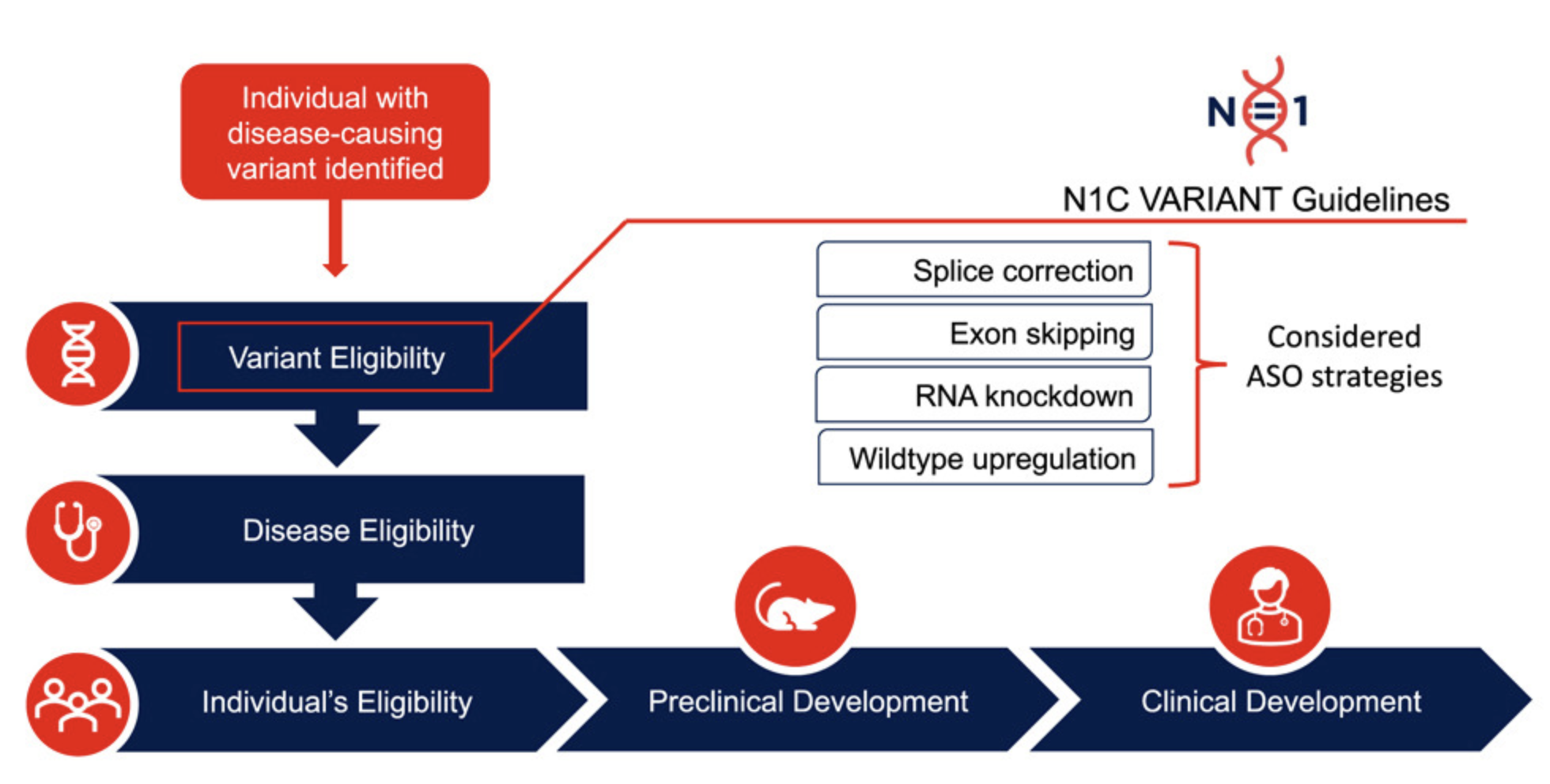
Therapeutic eligibility frameworks

As emerging genetic therapies become increasingly feasible, there is a growing need for systematic approaches to determine which genetic variants may be amenable to different therapeutic modalities. Our work focuses on developing consensus frameworks and therapeutic eligibility assessments that enable consistent and transparent evaluation of potential genetic therapy targets.

Together with the N=1 Collaborative, we have recently established consenus frameworks for assessing pathogenic DNA variants for antisense oligonucleotide therapies. We are now working on similar guidelines for gene editing and gene replacement approaches.
Collaborators

Actionability Assessments - Automation

We work on translating therapeutic eligibility guidelines into computational pipelines that enable automated and scalable assessments. By combining consensus frameworks with computational tools, we aim to accelerate actionability evaluations and support more systematic identification of patients who may benefit from emerging genetic therapies. Several of the resources developed through this work are available in our Tools section.

Actionability Assessments - Accessibility

Therapeutic eligibility frameworks

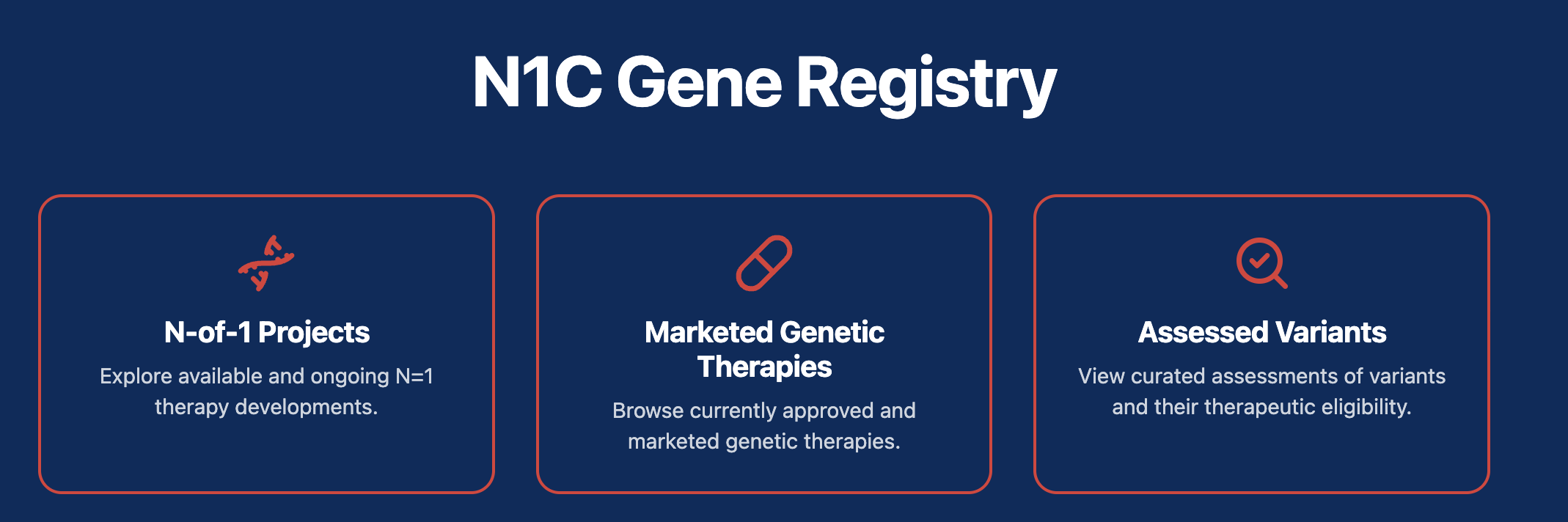
We aim to make information on emerging genetic therapies and assessed variants accessible to the broader community. Through initiatives such as the N1C Gene Registry and collaborations with major public databases such as DECIPHER, we work to share curated knowledge that supports research, clinical decision-making, and the identification of new therapeutic opportunities.

Actionability Assessments - Ethical and Psychological Frameworks

In addition to developing technical frameworks for therapeutic eligibility assessments, we also study the ethical and psychological dimensions of these evaluations. Questions around genetic therapy actionability often arise in situations of uncertainty and high expectations, both for the individuals requesting assessments and for the experts performing them. Our work therefore examines how these assessments are communicated, interpreted, and experienced by clinicians, researchers, and patient communities.

Expanding the Therapeutic Toolbox

A major focus of our work is to expand the range of genetic variants that may become treatable using genetic therapies. Many currently available approaches, such as antisense oligonucleotides, gene editing, or gene replacement, are only applicable to a subset of genetic variants.

Our research explores new strategies that adapt and extend these technologies to target variants that are currently considered ineligible for therapeutic intervention. For example, we investigate novel exon skipping approaches using antisense oligonucleotides to modify mRNA and restore gene function in cases where existing strategies are not yet feasible.

By systematically identifying gaps in eleigibility and developing new therapeutic approaches, we aim to broaden the genetic therapy toolbox and increase the number of patients who may ultimately benefit from precision genomic interventions.

Further Projects and Collaborations